
Engine Ticking: What Causes a Ticking Noise?
An engine ticking sound can come from normal fuel-injector operation, but it can also indicate low engine oil, valvetrain wear, an exhaust leak, loose spark plugs, or a problem with a belt-driven accessory. The sound alone does not identify the cause, so a new, loud, persistent, or worsening tick should be professionally inspected.
The urgency depends on the noise, when it occurs, and whether it appears with other symptoms. A ticking engine paired with a red oil-pressure warning, overheating, check engine light, power loss, rough running, or a deep knocking sound needs prompt attention.
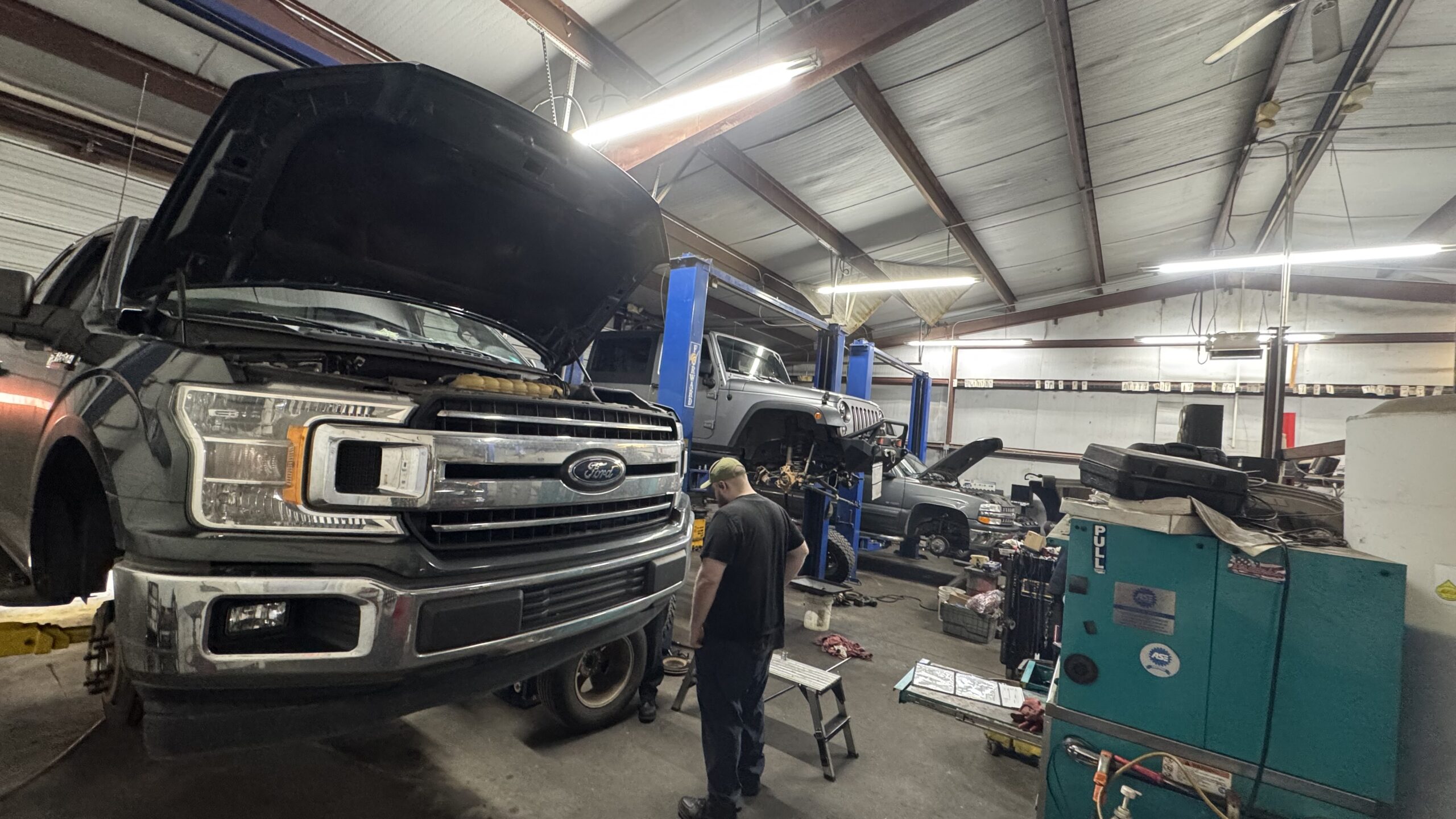
Freehome Service Center provides engine diagnostics and repair for drivers in Cumming, GA, Freehome, Forsyth County, Canton, Ball Ground, Alpharetta, Sugar Hill, and surrounding North Georgia communities. Its services include engine diagnostics, ignition repair, fuel-system diagnostics, oil-leak repair, cooling-system repair, spark plug replacement, sensor testing, and engine-related maintenance.
What Does Engine Ticking Sound Like?
Drivers may describe ticking as a fast clicking, tapping, sewing-machine-like sound, or light metallic noise from the engine bay. It may be most noticeable when the engine is cold, at idle, under acceleration, while turning, or after the engine warms up.
When speaking with a technician, note:
- Whether the sound occurs at idle, while driving, or both.
- If it changes with engine speed or vehicle speed.
- Whether it is louder when the engine is cold or warm.
- If it appears during acceleration, braking, turning, or after a recent repair.
- Whether the vehicle has a check engine light, rough idle, reduced power, smoke, overheating, or fluid loss.
- Whether the noise comes from the top, front, side, or bottom of the engine bay.
A tick that follows engine RPM may point toward the engine or an engine-driven accessory. A sound that changes with wheel speed, especially while turning, may come from a drivetrain, tire, wheel-bearing, or suspension component rather than the engine.
Common Causes of Engine Ticking
Several vehicle systems can create a ticking or clicking sound. A professional inspection is important because some causes are minor while others may involve internal engine wear.
Possible Cause | Typical Clues | Recommended Response |
Normal fuel-injector operation | Light, even ticking with no warning lights or performance issues | Ask a technician to confirm if the sound is new or concerning |
Low engine oil | Tick from the top of the engine, low dipstick reading, oil warning | Check oil level; stop driving if the oil-pressure warning is on |
Low oil pressure | Ticking, tapping, warning light, engine noise | Shut off the engine safely and arrange immediate inspection |
Worn valve-train components | Persistent tick near valve cover, noise increases with RPM | Schedule engine diagnostics |
Exhaust leak | Ticking or puffing, often louder during acceleration | Have the exhaust manifold, gasket, and related pipes inspected |
Loose or damaged spark plug | Tick, misfire, rough idle, check engine light | Arrange ignition-system diagnosis |
Worn belt, pulley, or accessory | Tick or click near front of engine, changes with RPM | Inspect belt-driven components |
Loose heat shield or bracket | Intermittent rattle or ticking vibration | Schedule an inspection to locate and secure the component |
Low oil level, low oil pressure, valvetrain wear, exhaust leaks, accessory or pulley concerns, and loose spark plugs are common potential sources of engine ticking.
Is Engine Ticking Ever Normal?
Some engine sounds are normal. Fuel injectors open and close rapidly to deliver fuel, and their operation can create a light, rhythmic ticking sound. On many vehicles, this noise is most noticeable when the hood is open and the engine is idling.
However, a normal injector tick should not suddenly become loud, irregular, or paired with poor performance, warning lights, smoke, fluid loss, or rough running. If the sound is new or you are unsure whether it is normal, it is reasonable to have it checked.
A brief tick immediately after cold startup may also be less concerning than a sound that continues after the engine reaches operating temperature. Still, persistent noise needs evaluation because oil pressure, lubrication, valve-train, timing, and exhaust issues can all become more noticeable during startup.
How Engine Ticking Is Diagnosed
Engine noise diagnosis requires more than reading a code. A technician will consider the vehicle’s symptoms, service history, noise location, engine speed, fluid condition, diagnostic data, and component test results.
The diagnostic process may include:
- Checking engine oil level, condition, and pressure where appropriate.
- Inspecting for visible oil, coolant, vacuum, fuel, or exhaust leaks.
- Scanning the vehicle for diagnostic trouble codes.
- Listening to the engine and accessories at idle and different engine speeds.
- Inspecting spark plugs, ignition coils, and wiring.
- Checking belt condition, tensioners, pulleys, and accessories.
- Inspecting valve-train, timing, or internal components when indicated.
- Testing compression or other mechanical conditions if symptoms suggest internal engine wear.
Freehome Service Center provides diagnostic testing for check engine lights, engine performance issues, ignition and fuel-system concerns, cooling-system problems, oil leaks, belts, hoses, and other engine-related repairs.
Schedule Engine Diagnostics in Cumming, GA
A ticking engine may be a normal operating sound, but a new or persistent noise deserves a professional inspection. Identifying the source early can help protect engine performance and prevent damage from low oil pressure, a failing ignition component, exhaust leak, or worn mechanical part.
Call Freehome Service Center at (678) 947-6000 to schedule engine diagnostics in Cumming, GA. The shop is located at 14251 Cumming Highway, Cumming, GA 30040 and serves drivers throughout Freehome, Forsyth County, Canton, Ball Ground, Alpharetta, Sugar Hill, and nearby communities.